 EN
 DE
 FR
 ES
 RU
The short version
- Light, loose clothes that cover your shoulders and knees
- Shoes you do not mind filling with sand
- Sunglasses and a hat for the afternoon
- A light jacket or jumper for after sunset in the cooler months
- Leave anything valuable or delicate at the hotel
Clothes
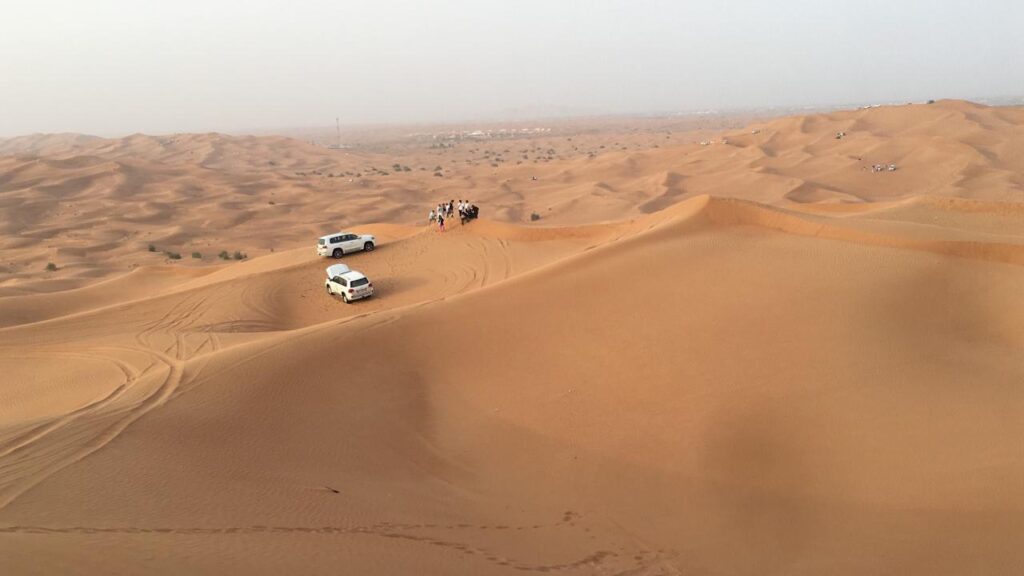
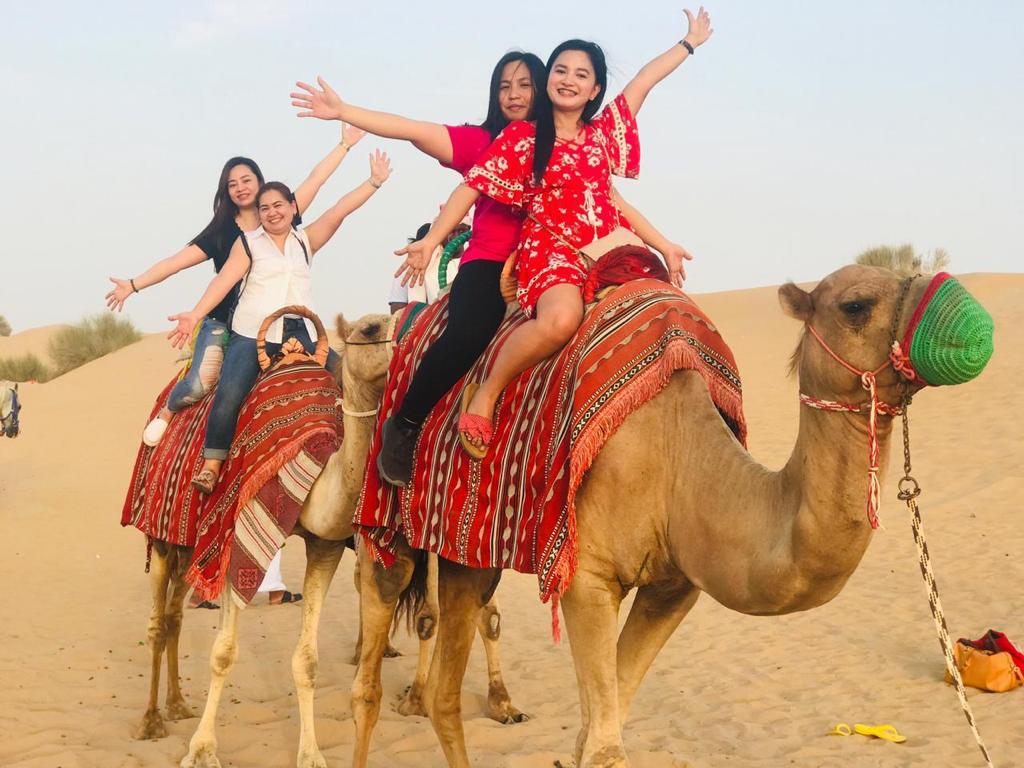
Loose and breathable. Cotton or linen is best. Our safaris start in the afternoon, when the desert is at its warmest, and you will be getting in and out of the 4×4, climbing onto a camel and sitting on the sand.
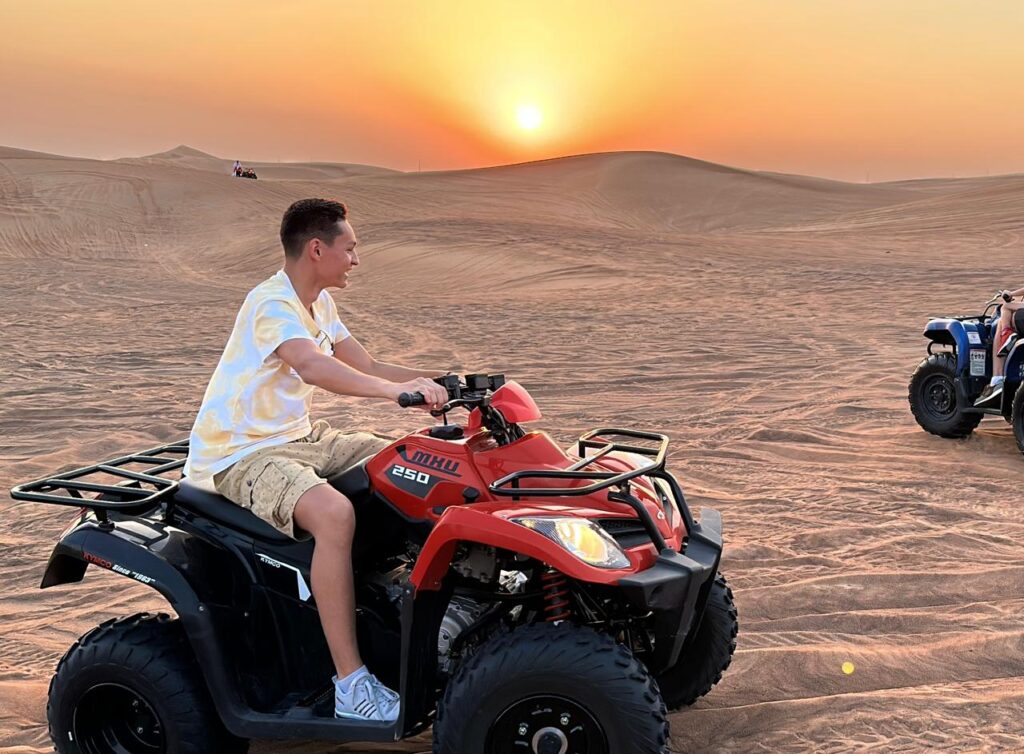
Trousers or a longer skirt work better than shorts for camel riding and sand boarding. They also suit the camp, which is a traditional setting. You do not need to be fully covered, but shoulders and knees covered is a sensible rule.
Colours. Sand marks pale clothes less than dark ones, and brighter colours look good in sunset photos.
Shoes
Sand gets into everything. Sandals or trainers you can tip out easily are the practical choice, and many guests go barefoot for sand boarding. Avoid heels and anything you would be upset to scratch.
For the evening
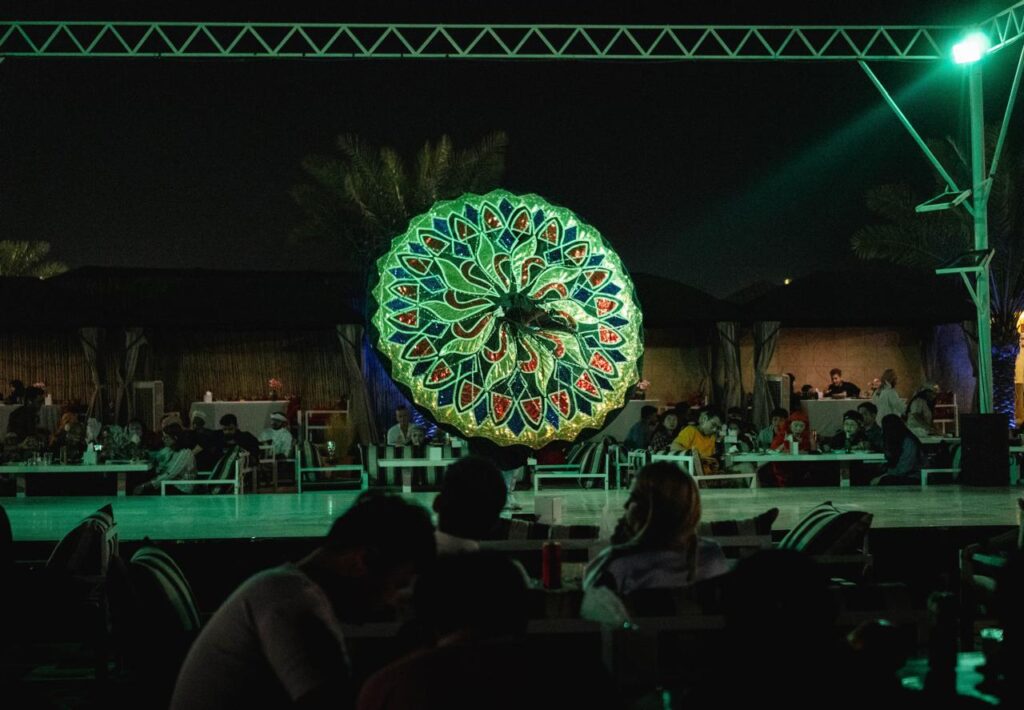
The desert cools down after the sun sets. Between roughly November and March the evening at the camp can feel cold, so bring a light jacket, jumper or shawl. In the summer months you are unlikely to need it.
What to bring
- Sunglasses and a hat for the dune drive and sunset stop
- Sunscreen for the afternoon
- A phone or camera for the sunset, with a case that keeps sand out
- A small bag you can keep with you in the 4×4
- Money for any optional extras at the camp, such as a falcon photo or shisha
Water and soft drinks: soft drinks, tea and coffee are served with dinner at the camp.
What to leave behind
- Jewellery and anything valuable
- Large bags
- Contact lenses if sand bothers your eyes; glasses are easier on the dunes